EQUINE EXPERIENTIAL LEARNING FACILITATOR TRAINING · THE EQUUS EFFECT
Train to Facilitate.
Broaden your reach — deepen your understanding — develop new skills.
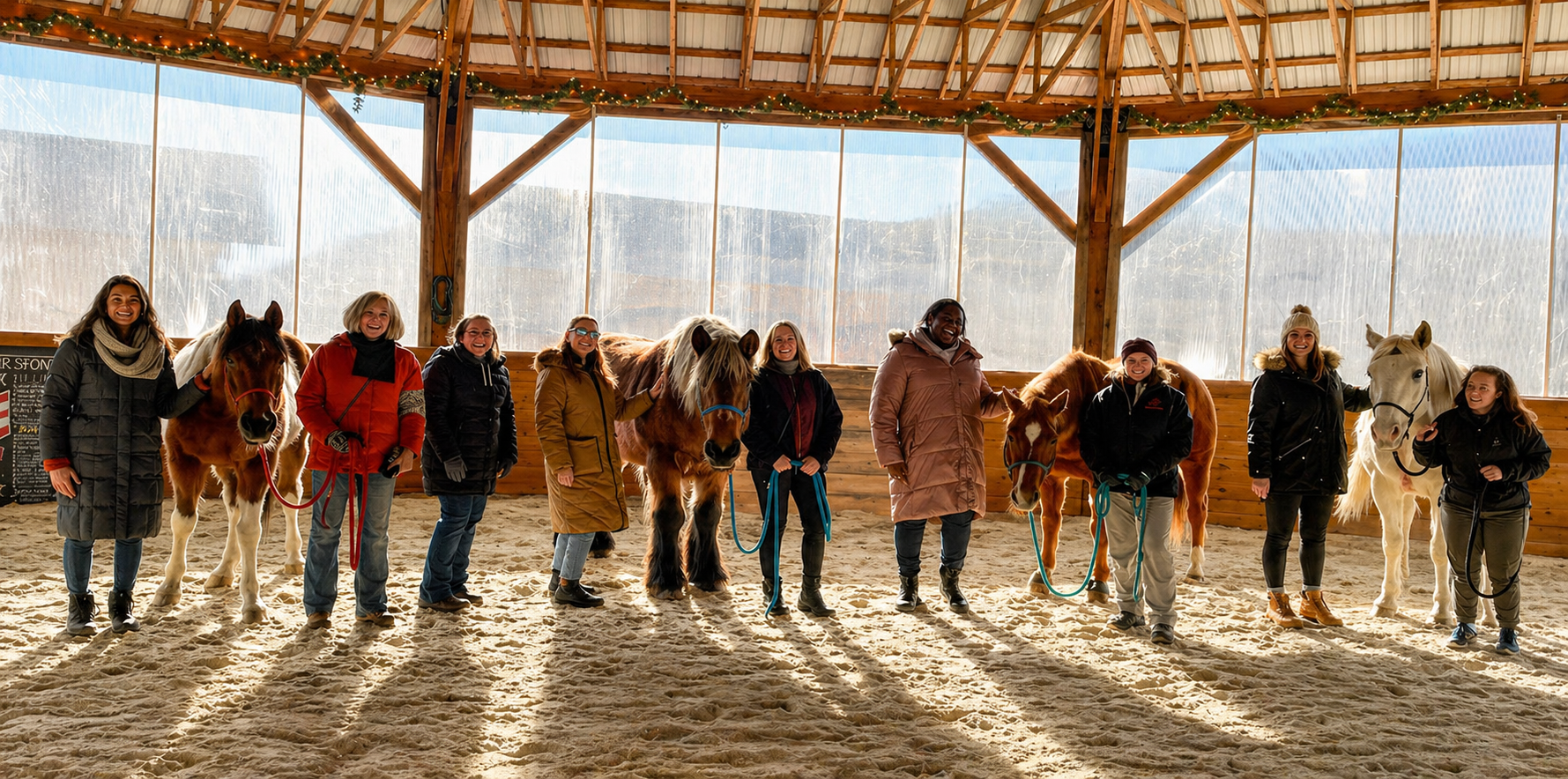
The Equus Effect Train to Facilitate program represents a shift in how experienced horse people and practitioners in the fields of equine-assisted learning and therapeutic interventions can work more effectively with clients and the horses on their teams.
The work is grounded in body-based practices and built to transform both your horses’ relationships with you — and your clients’ relationships to those with whom they live and work.
We created this training in response to a deeper need for practitioners who want to hold space for real change that lives in the body.
WHY THIS TRAINING EXISTS
After 15 years of delivering this curriculum to over 2,000 people, we kept hearing from professionals in the field that they weren’t sure if clients’ insights and emotional releases would translate to real, lasting changes in their lives.
We also heard the same from clients who told us that while working with horses was memorable and moving, it was hard to break the habitual patterns they had been using to navigate life without any practical tools to take back into life. Insights, yes. Emotional releases, yes. Lasting change in relationships at home and work, not so sure.
We built The Equus Effect training program to close that gap. Not a certification in name only. A genuine transformation in how to have more impact on participants, more attunement with your horses, and more assurance that you are building real capacity in clients to show up for those with whom they live and work.
OUR APPROACH
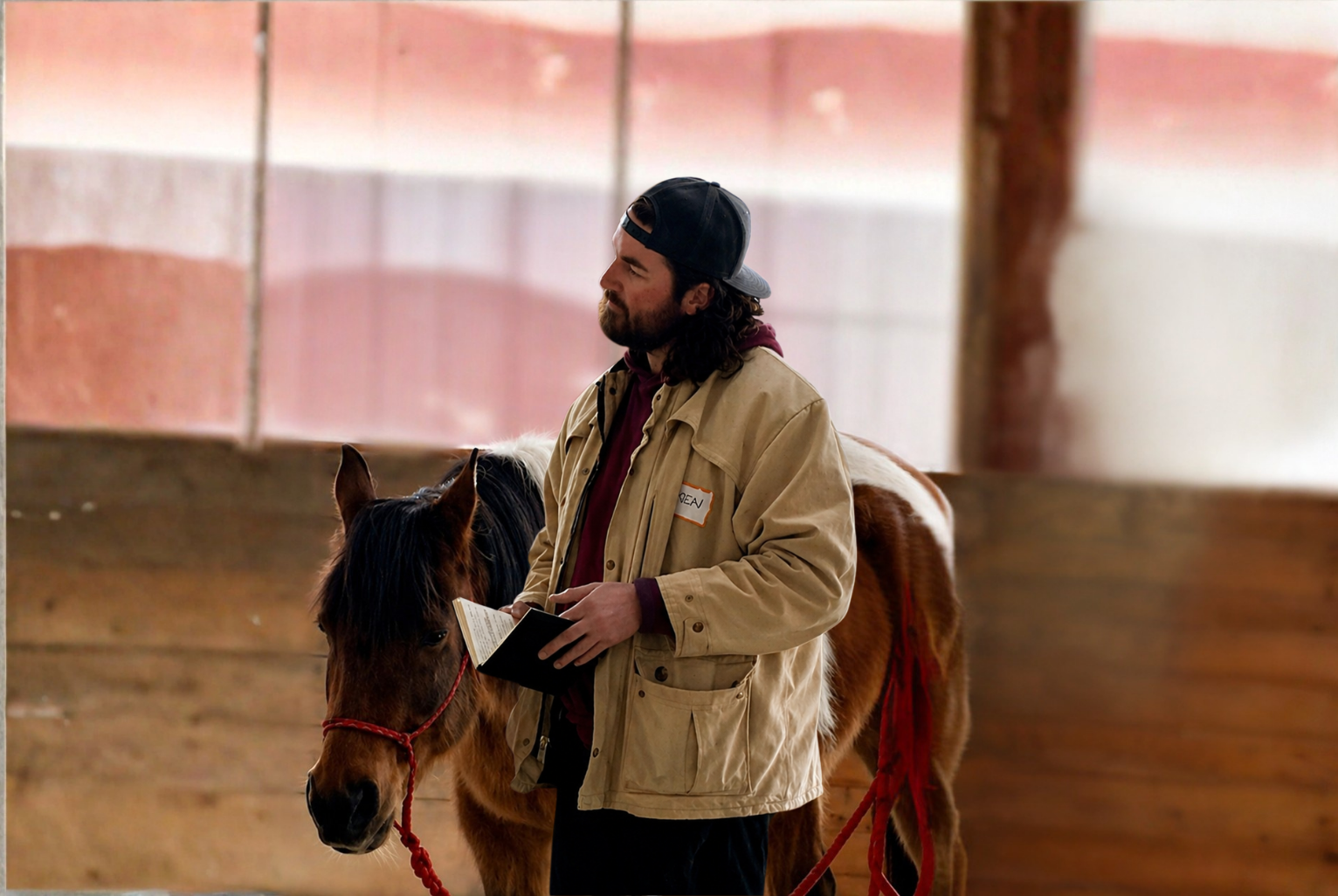
The Equus Effect Program is both unique and valuable in its ability to deliver effective and long-lasting benefits to many populations.
It enables clients, facilitators, and horses to engage in life’s situations with more assurance, better communication skills, and the ability to show up to life’s situations with what we call emotional agility.
We help widen the window of possibilities for everyone involved.
The Equus Effect Curriculum is structured, flexible and dynamic enough to bring about long-lasting benefits to many populations.
The content focuses on profound tools for resilience and practical relationship-building skills to handle real-life situations.
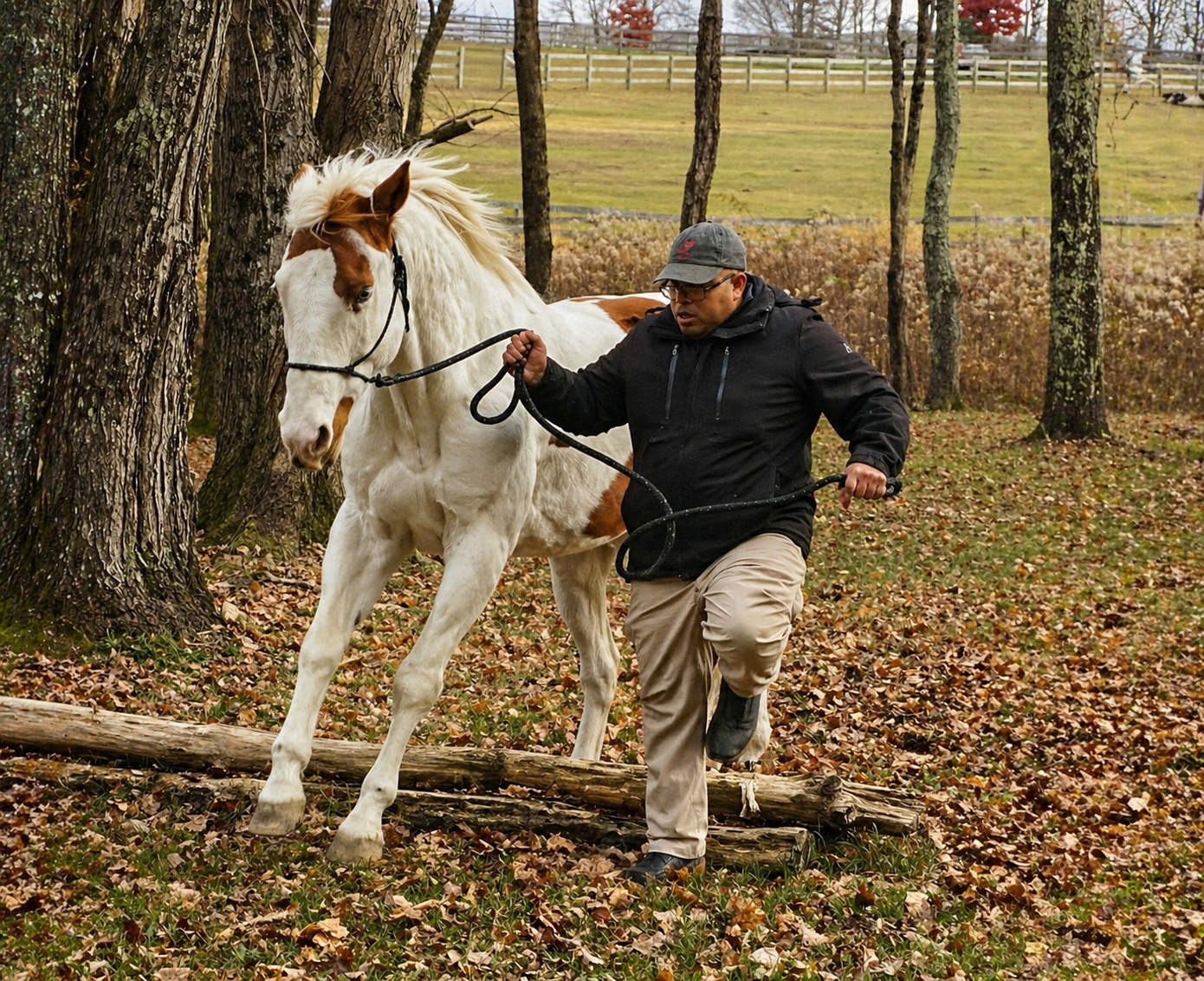
Real hands-on horsemanship skills are great for the horses,body-based alignment in clients, and engagement through all three centers of intelligence for everyone.
Somatic practices and dynamic cycles of activation and settling, offer real-time, sensory-filled learning — and set everyone involved up for continued growth.
The program includes concepts and practices from:
Somatic Experiencing®,
Eponaquest Worldwide,
The Masterson Method ®
Polyvagal Theory,
HeartMath ®
Emotional Agility ®
SKILLS AND CAPABILITIES
As a certified facilitator for The Equus Effect, graduates will be able to:
- In Yourself: Learn to recognize your own reactivity and interrupt habitual patterns and recover from triggers in real time.
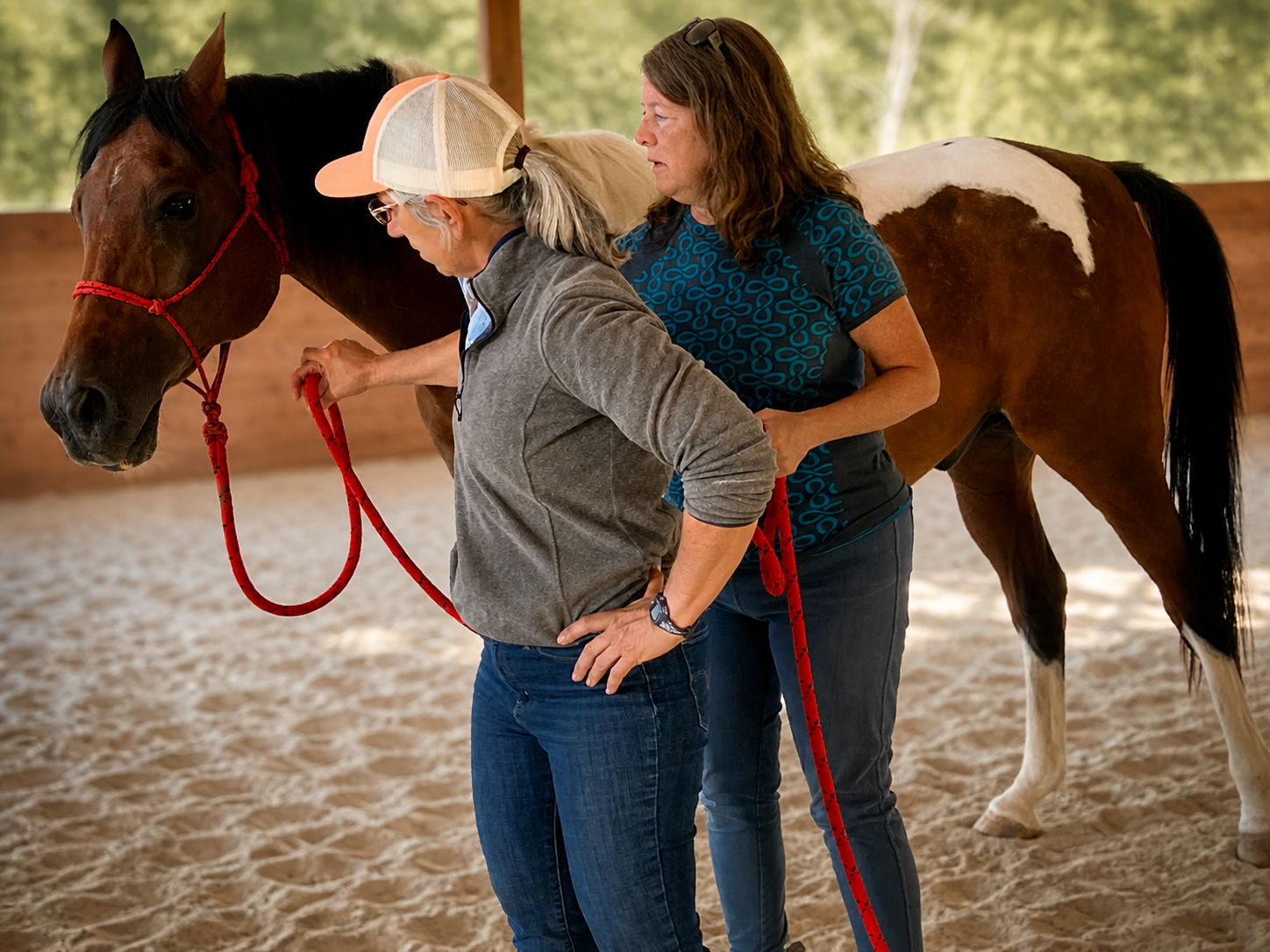
- In Clients: Read body-based cues among participants and horses that reveal key opportunities for growth and development.
The Four Module Framework
Built around a single belief: you can't give others a leg up in life unless your feet are firmly on the ground.
The training follows the same four-session arc as the TEE curriculum itself. Each module builds on the last, from internal alignment to the capacity to hold the space for individuals from any population who want to grow and change.
Module 01
Resonance
Learn to tune into the state of your own nervous system and that of clients by tracking sensory-based signals that horses pick up and we help you recognize and name.
Module 02
Connection
Develop the relational skills that make experiential learning safe and productive. Learn to hold space without directing, and work with resistance rather than against it.
Module 03
Collaboration
Practice facilitating the dynamic between human and horse in real time. We break down and model key elements of collaboration vs. control to make sure it makes sense to your body and mind.
Module 04
Capacity
Embody the full range of skills you need to feel comfortable delivering the TEE curriculum — and the resourcefulness you need to handle unexpected 'surprises' that arise anytime we put horses and people together.
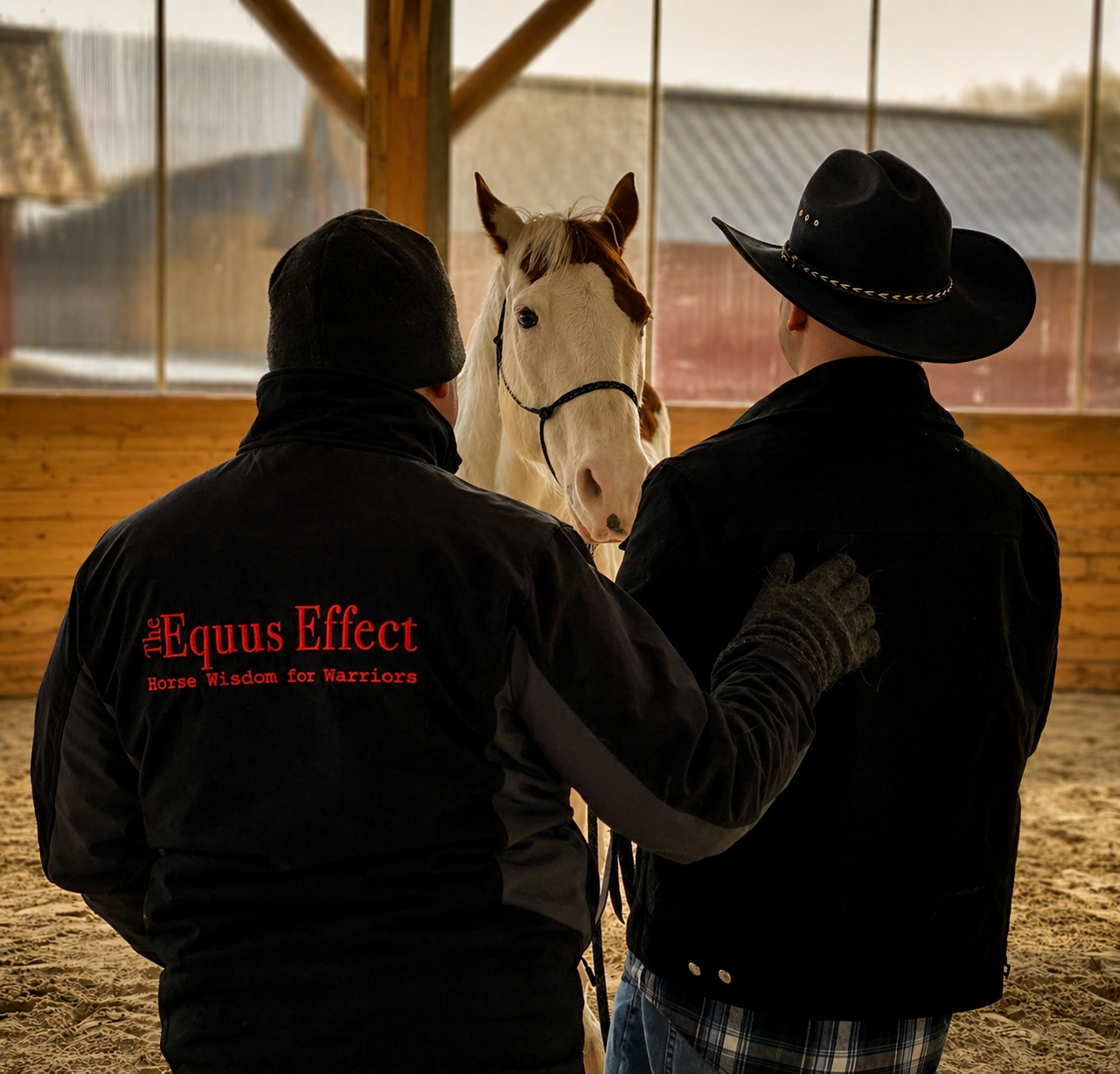
“Working with horses changed not just how I facilitate, but how I move through the world. I never expected that.”
LF - NY
IS THIS TRAINING FOR YOU?
Equine professionals who sense there’s more to offer.
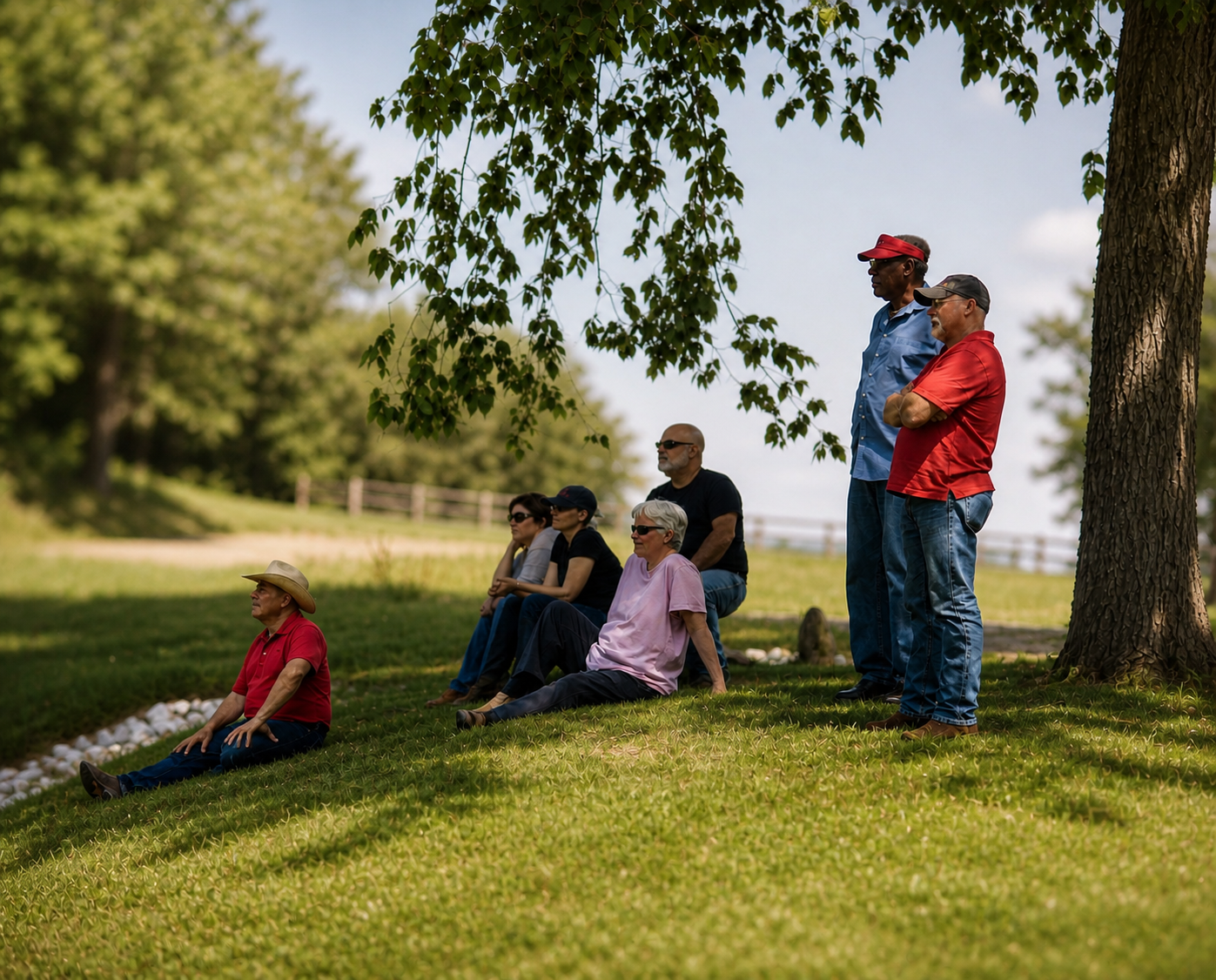
You've watched what happens to people around horses your whole career. You know something significant is occurring — you just haven't had the framework to harness it in a way that promises more satisfaction for you, more growth in clients, or more joy among the horses with whom you work.
Horse people who work in the equine-assisted world and are interested in a more robust set of tools to deliver an elegant, impactful program that has a wide range of applications.
“I wasn’t sure that these ‘aha’ moments and insights would last, but program graduates have come back to tell me:
I’ve gone back to school.
My kids come and sit on my lap.
We take a breath and talk things out now.”
SB - NC
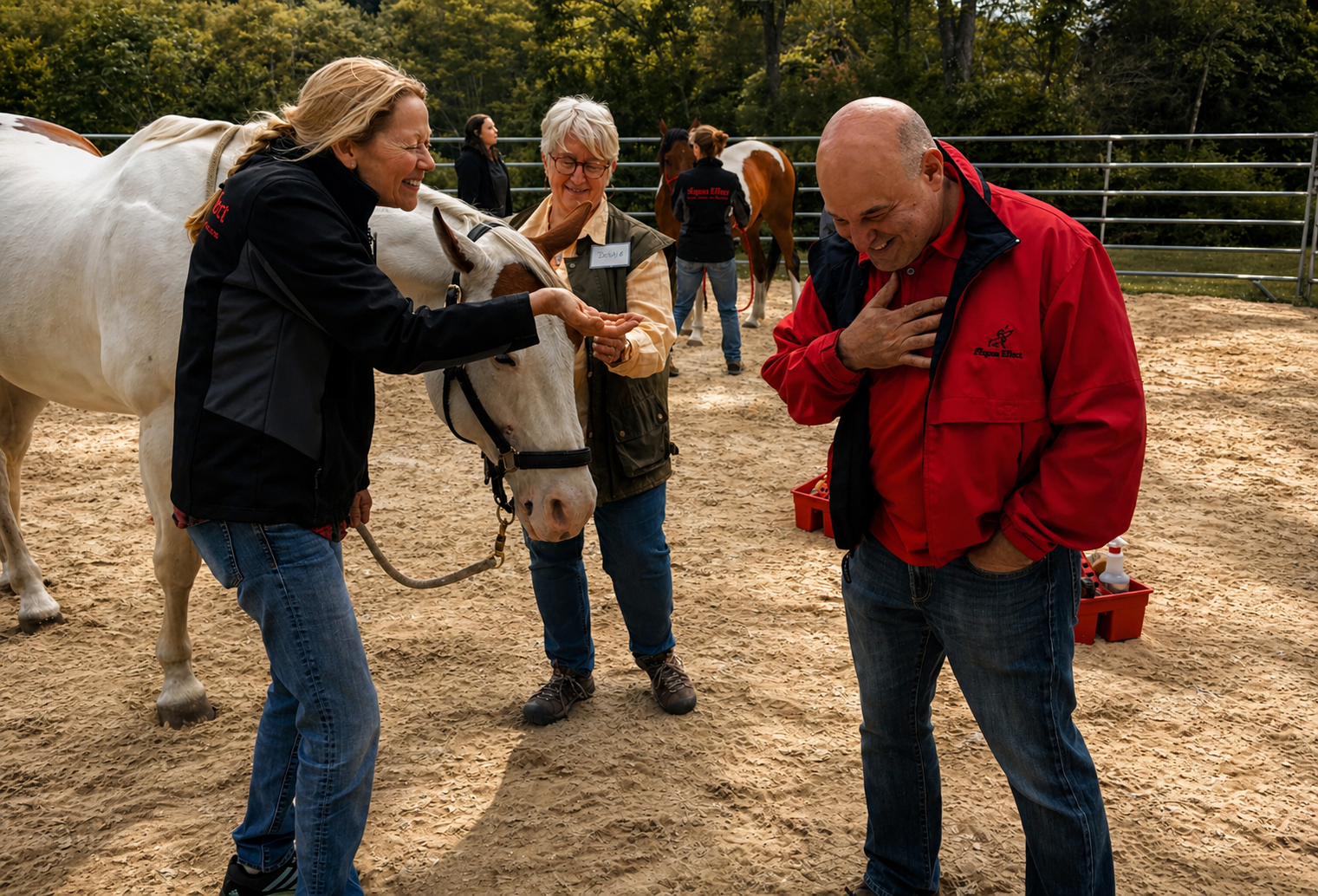
Training Materials and Requirements
The structure of the training lets you relax. We’ve tested it. The VA has researched the design and measured outcomes. You can trust the process to reveal what matters most to clients and let things unfold.
Training Materials
Pre-Training Requirements
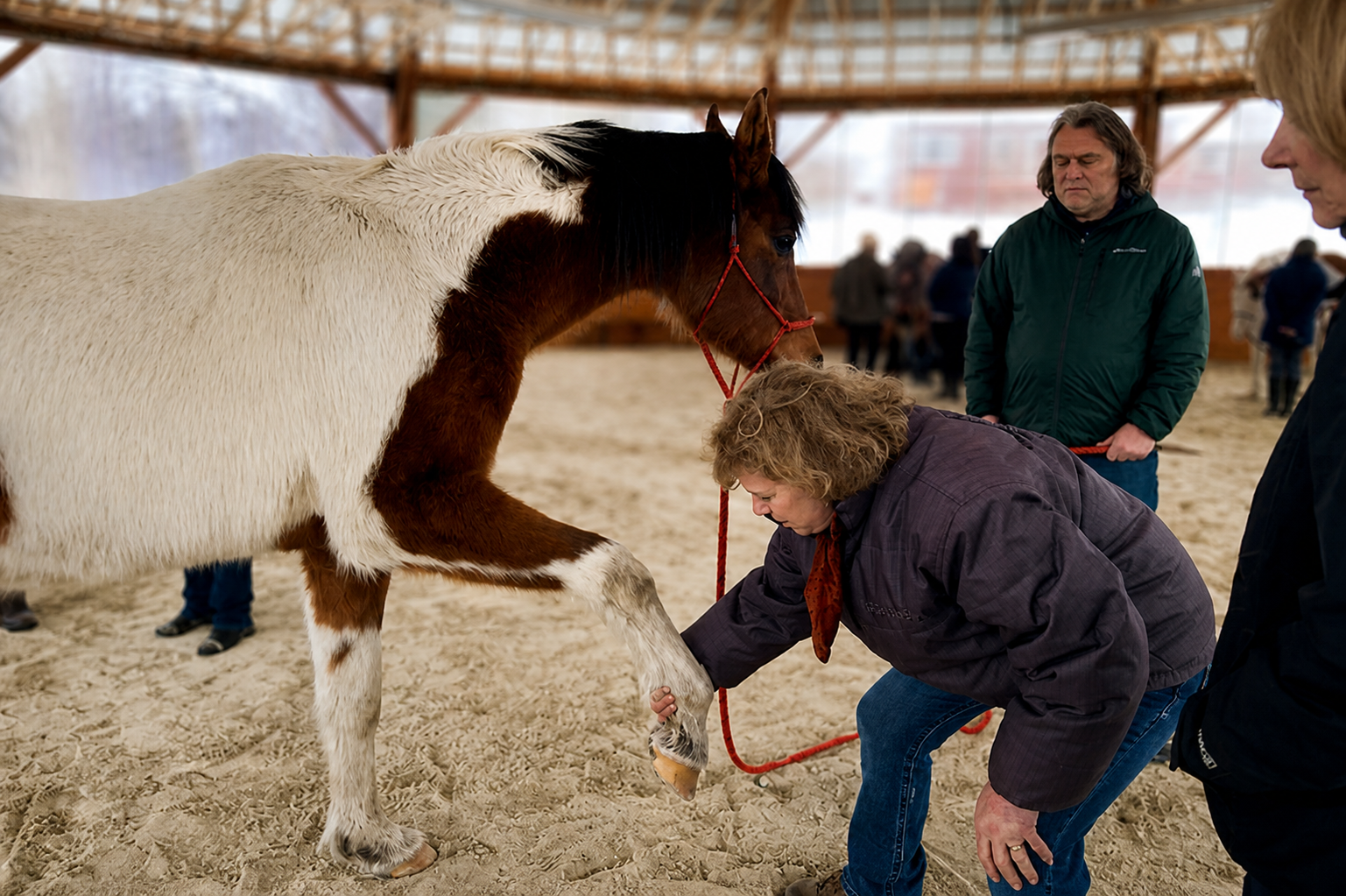
PROFESSIONAL STANDARDS
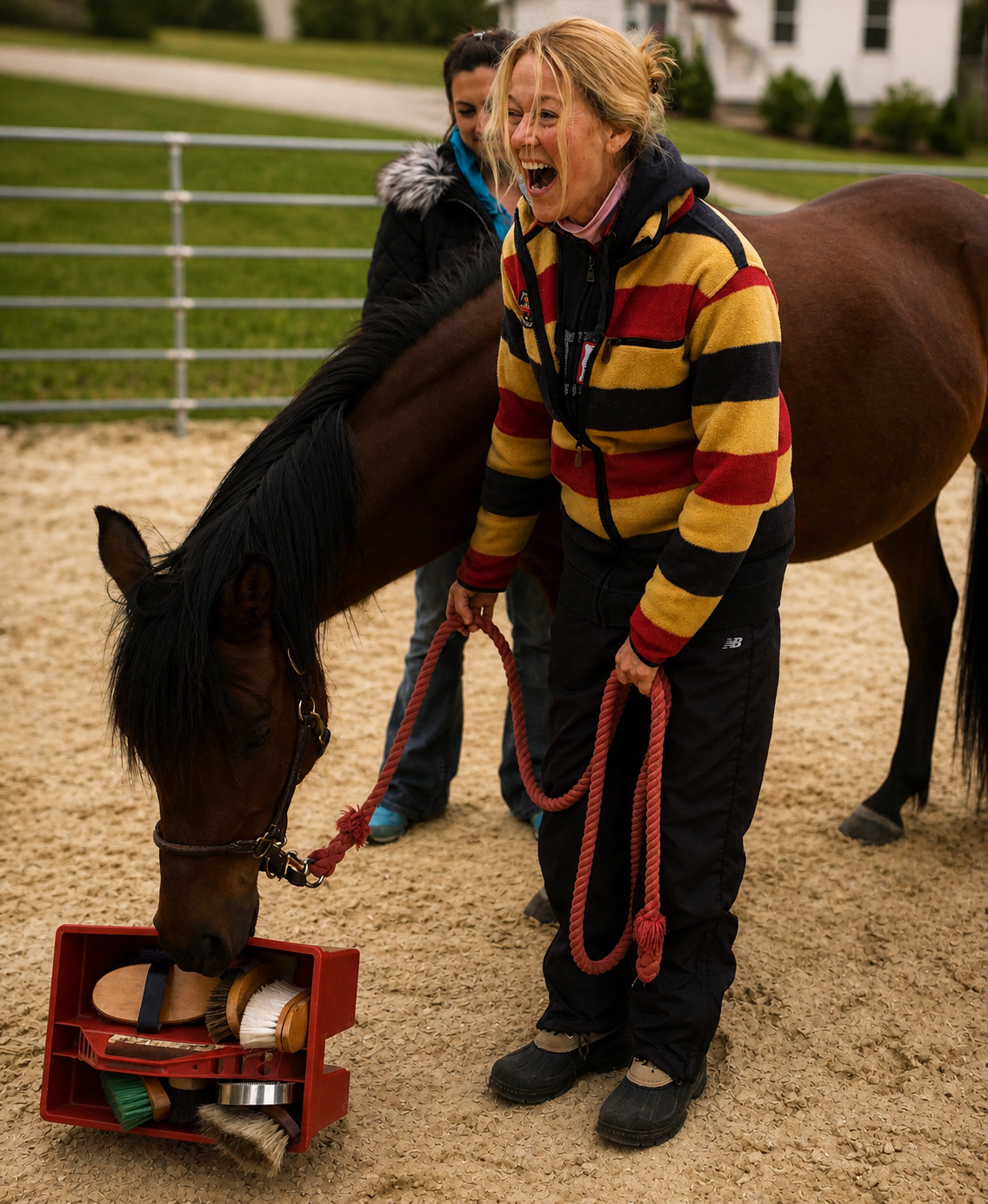
Our facilitators teach concepts in this curriculum through direct knowing and hands-on learning.
Our facilitators teach concepts in this curriculum through direct knowing and hands-on learning.
Between experiential learning with horses, body-based tools and education in our unique presentation and discussion called Emotional Agility® we offer students the opportunity to discover how to facilitate from a grounded place of mental and emotional capacity.
Since TEE is a multi-component non-medical model, we do not operate from diagnoses that imply specific treatment plans. Rather, we show training candidates how to focus on participants’current barriers to presence and resistance through embodied learning, in-hand horsemanship skills and group processing.
The model is a level playing field where certified senior facilitators act as guides and mentors who discovered the value of working with horses in this way through their own personal journeys and experience.
They came into this field because they wanted to live more authentic lives and discovered that horses can get you there faster — as they always have.
They also know how to have fun.
YOUR INSTRUCTORS
Led by guides who walk this path themselves.
Jane Strong
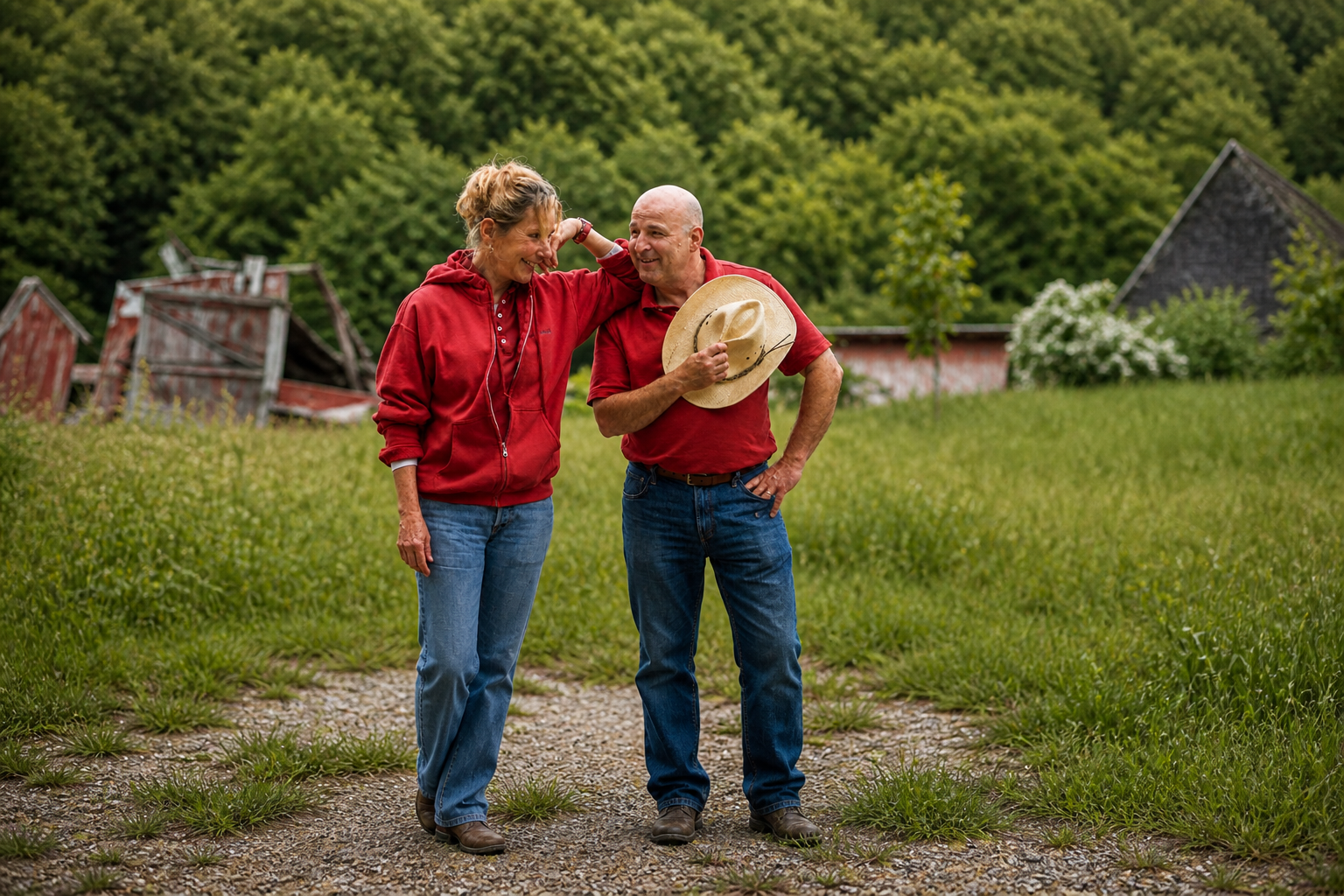
Jane began her relationship with horses as a competitive rider. When she left that world behind, she never envisioned horses becoming an integral part of her life again. It was only after returning to horses and horsemanship in 2002 that she realized how much they could help reveal and reclaim her authenticity.
As she began to learn who horses really are as powerful, non-predatory animals and what they have to teach us about bringing our real selves to relationships, she was able to build what TEE calls emotional fitness skills in her own life.
These skills had never surfaced in traditional therapeutic settings, group processes or coaching. It turned out that this newfound way of interacting with horses had tapped into the source of her disconnection from her true nature and she believed they could do so for others. She was right.
Jane believes that anyone who wants to gain both autonomy for themselves and attunement to others can do so through this work.
David Sonatore
David's journey with horses began at age eight, on the back of a spirited trail horse who launched them both over a frozen stream and into the wild exhilaration of pure horsepower. That early spark lay dormant for decades, waiting for a chance to return.
It was on a trip to Montana, though, that David immersed himself in the wisdom of what people call natural horsemanship. World-class horse trainers like Bill Dorrance, Buck Brannaman, and Leslie Desmond were modeling a way to work with horses based on trust, understanding, authenticity, and presence rather than dominance and control.
It was not until he had an experience with a horse who revealed a truth that lay hidden beneath his professional and polished appearance that he came to appreciate the power of emotional honesty.
He understands firsthand the profound impact horses can have on our relationships with people and ourselves. While he became a Licensed Clinical Social Worker to explore traditional modalities and see how they might contribute to this work, both he and Jane discovered that this work is way beyond psychological.
Today, as co-creator of The Equus Effect, he brings an understanding of how a deeper connection between who horses are and how they can bring about positive, lasting changes to our personal and professional relationships for those who want to be better, not just do better.
The Equus Effect · 2026–2027
Training Schedule
Questions? info@theequuseffect.org